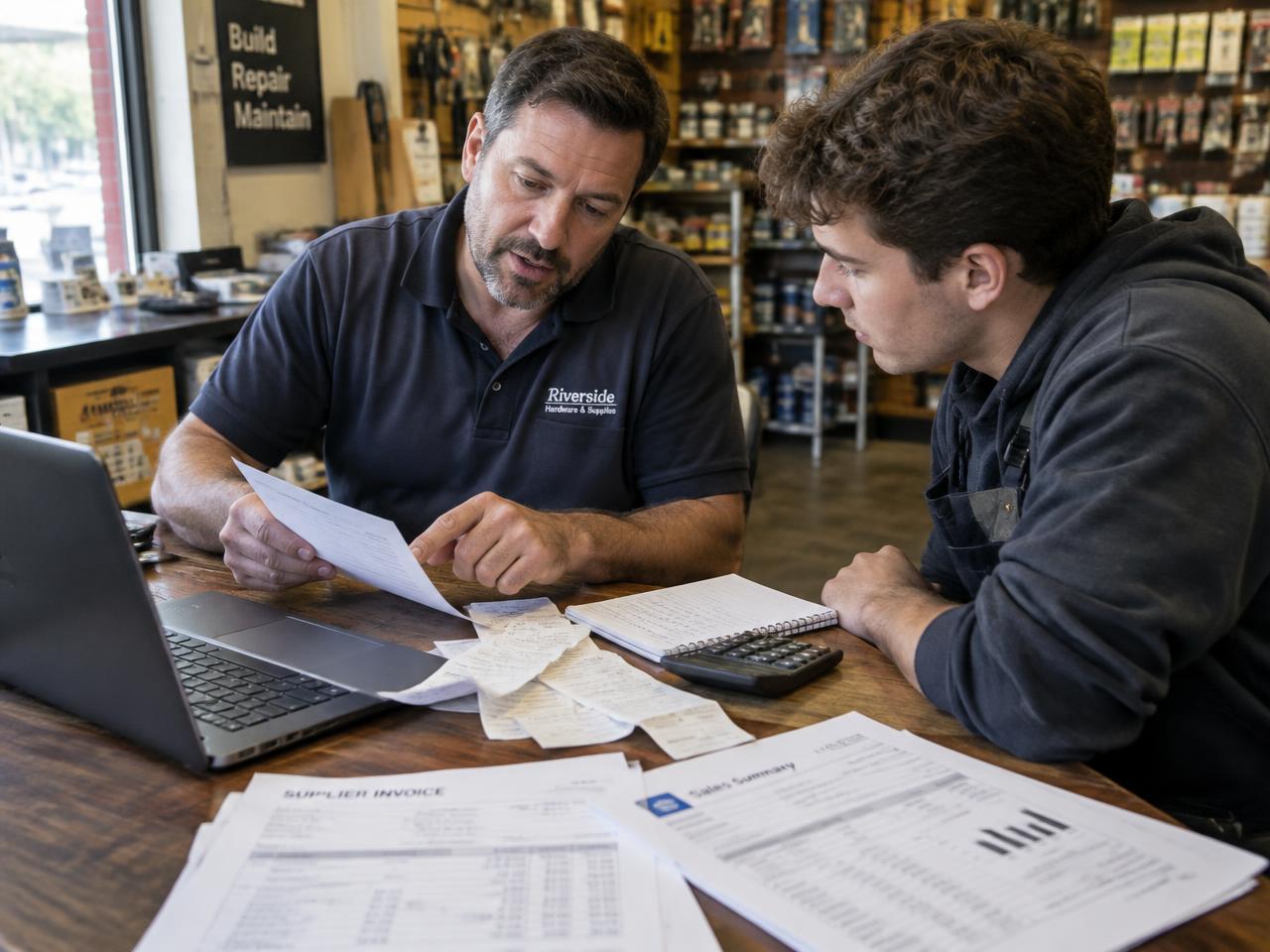
Ask about a normal week
Which days and hours do you work? What happens if you cannot come in? Which decisions do staff make independently? Ask for examples rather than general assurances that the shop is easy to run. Owner dependence can affect both your workload and the transition after a purchase.
Ask about stock and people
Who are the essential suppliers and how are prices negotiated? How often do products expire or become unsellable? What roles require specialist skills? Which employees might stay after a sale? Treat supplier terms and staffing as items to verify during due diligence; training gives you context, not contractual certainty.
Ask about the records
How are daily sales reconciled? What reports does the owner review each month? Which expenses are irregular? Ask a professional to help distinguish recurring costs from one-off items. Do not collect customer card data or employee personal information while learning the process.
Ask what could go wrong
What operational problem was hardest to solve? What licenses, leases or contracts need attention? What would the owner do differently if starting again? Compare the answers with your goals and independent records. You are looking for useful explanations, not a promise of success. Keep unresolved questions visible before committing money.
Further reading
SBA business planning resources
SBA counseling and local assistance
General educational information, not financial, legal, tax or investment advice. Training does not guarantee income or business success. Confirm current requirements with qualified advisers and relevant authorities.