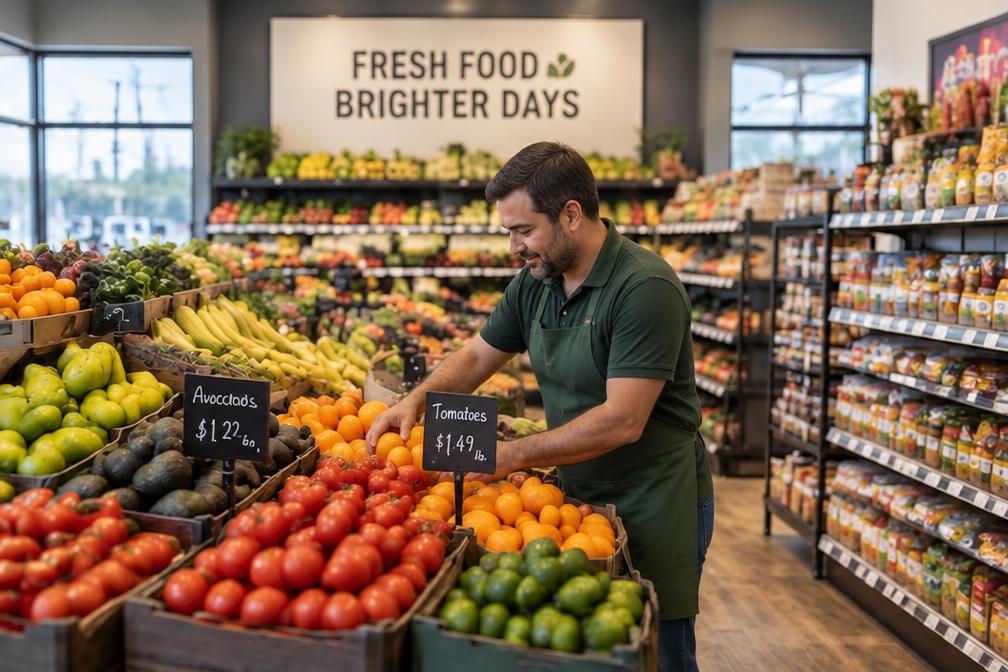
Stock is money waiting to become a sale
Inventory must be purchased, received, stored and sold. Too little stock can disappoint customers; too much can tie up cash or expire. Ask how the owner chooses reorder levels and checks delivery accuracy. Watch how fast-moving products differ from items that sit on a shelf.
Waste and shrink need separate attention
Fresh-food waste, damaged goods and unexplained inventory differences can affect results. Ask how the business records these losses and reviews patterns. Do not assume every inventory gap is theft. A learner can understand the process through anonymized reports without access to sensitive employee or customer information.
Checkout is part of the system
Observe price changes, promotions, returns and closing reconciliation. Ask how errors are corrected and who can approve adjustments. Cash handling and payment data require careful controls. Supervised learning should not give a visitor unrestricted access to customer records or the register.
Bring the questions back to ownership
What would you personally handle each week? Which suppliers matter most? How does the owner plan for quiet periods or holidays? What food safety, tax and local permit obligations apply? Use professional financial review before a purchase. A crowded shop or a well-stocked shelf alone does not establish profit.
Further reading
SBA business planning resources
SBA counseling and local assistance
General educational information, not financial, legal, tax or investment advice. Training does not guarantee income or business success. Confirm current requirements with qualified advisers and relevant authorities.